Charting the Path Forward for Young Families
This article was originally published in our Spring 2026 Bleeding Times Magazine. See the entire magazine by clicking here.
Author: Jeremy Griffin, Executive Director
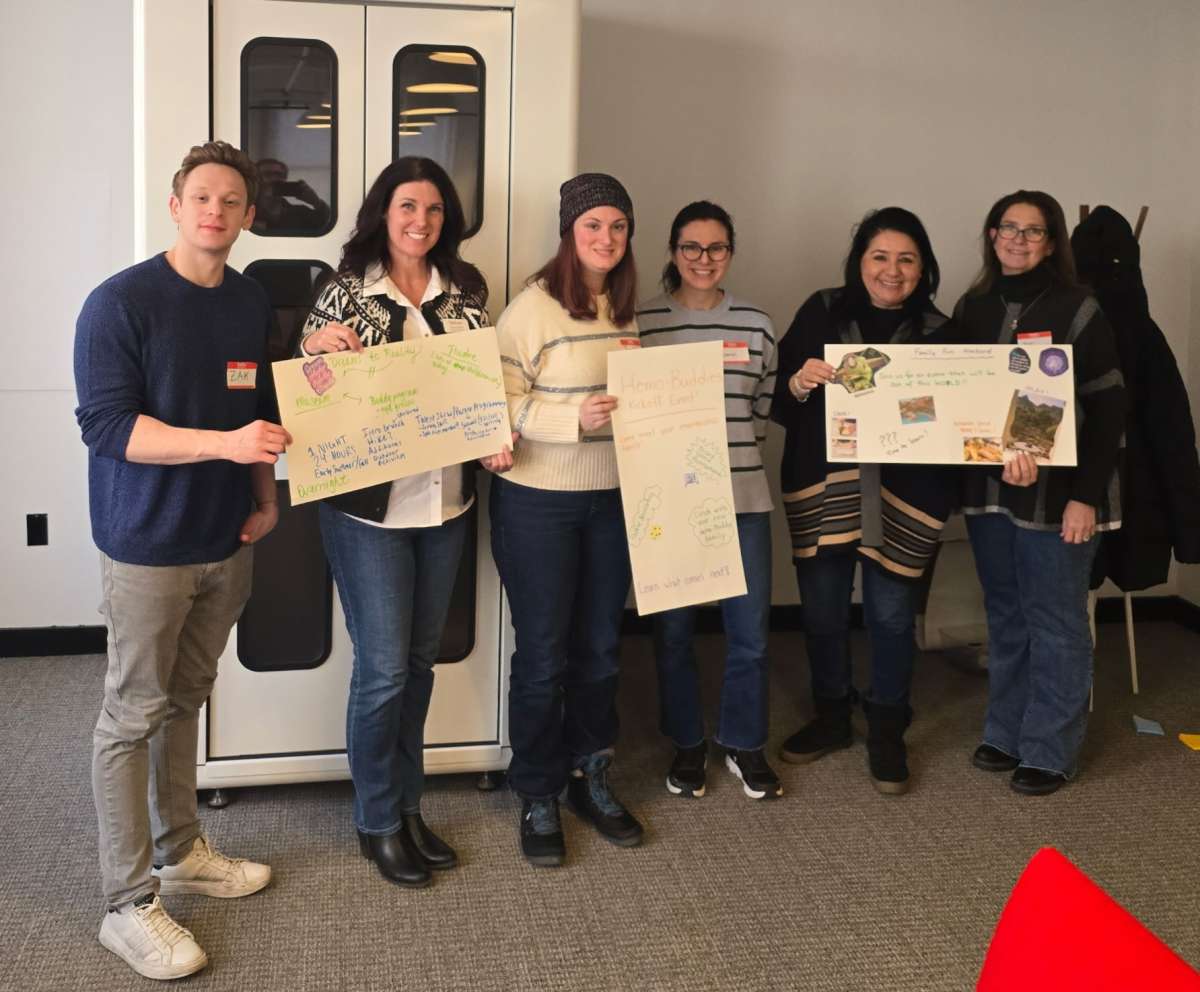
In February, parents of children under 10 living with bleeding disorders gathered for an in-depth focus group to share their experiences, challenges, and hopes for the future. Their goal was simple yet meaningful: help shape chapter programming that better reflects the real needs of young families. A powerful theme emerged throughout the day: children with bleeding disorders hear “no” far too often, and our community must find more ways to say “yes.”
Parents spoke candidly about the delicate balance between protecting their children and encouraging independence. Many described how frequently they feel forced to limit activities. One parent recalled their child fighting back tears at birthday parties with bounce houses, watching friends play from the sidelines.
Yet the conversation repeatedly returned to confidence rather than restriction. Families shared how their children thrive in activities like swimming, theater, and other pursuits that allow them to shine without unnecessary physical risk.
A clear generational shift also surfaced. Previous generations often operated from a place of fear due to limited treatment options. Today, families benefit from safer and more effective therapies that expand what is possible. As one parent shared, hearing from young adults with bleeding disorders who are living full, accomplished lives offers a sense of hope and perspective that even clinical teams cannot replicate.
What Families Need
The focus group produced thoughtful, practical ideas for future programming. Families expressed a strong desire for structured mentorship that pairs those new to the journey with families a few years ahead. They envisioned overnight family events, such as camps, where teens can mentor younger children while parents attend workshops and connect with one another. Parents also emphasized the importance of visible role models within the bleeding disorders community. These examples show children that while hemophilia may shape their experiences, it does not define their limits.
In addition, families identified several resource gaps that would make it easier to educate teachers, caregivers, and others. Suggestions included customizable slideshow presentations for schools, one-page guides for caregivers, and clear frameworks to help parents determine when an injury requires emergency care versus home treatment. Many noted that recognizing bleeds in young children, who cannot always describe their symptoms, remains a significant source of anxiety.
Looking Ahead
The insights shared during this focus group will directly inform chapter programming in the months and years ahead. These voices are helping ensure that our work reflects the lived realities of the families we serve. If you would like to share your thoughts on how we can better support families in our community, please email [email protected].
Thank you to Optum for supporting this focus group meeting.