
How My HTC Helped Me Find the Right Care—and Changed My Life
This article was originally published in our Summer 2026 Bleeding Times Magazine. See the entire magazine by clicking here.
Author: Eliot Weinstein
One of the most important decisions for anyone living with hemophilia is building a relationship with a Hemophilia Treatment Center (HTC). For me, having access to an HTC has been essential—not only in helping me find the right care options, but in making sure I’m not making decisions about my health alone. With the guidance of my HTC team, I’m able to make informed choices about my care as treatments continue to evolve.
If you have hemophilia, or you’re caring for someone who does, becoming your own advocate is critical. But advocacy doesn’t mean doing everything on your own. It means learning about your condition and then working with experts who understand it. I’ve learned from other people living with hemophilia, caregivers, support groups, and medical professionals, but my HTC helps bring all that information together and guide me in the right direction.
At the HTC, you’re not just seeing a hematologist. You’re supported by a comprehensive care team that may include nurses, social workers, physical therapists, orthopedists, and other specialists who understand hemophilia. Together, we review treatment options, medications, and ways to manage injuries or bleeds. Having that team means I always have knowledgeable support when making decisions about my health.
Another important advantage of being connected to an HTC is the support it provides in urgent situations. If I ever need to go to the emergency room, my HTC can help guide my care. Emergency physicians may not see hemophilia often, but my HTC knows my history and can work with them to help ensure I receive the right treatment quickly.
Together, my care team and I often discuss important decisions together, such as whether to take medication prophylactically or on demand. The medications available today are dramatically different from what was available when I was younger, and having their support has helped me adapt and maintain a better quality of life. Choosing what’s right depends on factors like age, lifestyle, and physical activity—and those are decisions I make with the guidance of my HTC.
Staying connected with your care team and the hemophilia community is key. As life changes, having a strong relationship with a Hemophilia Treatment Center means you don’t have to navigate hemophilia alone. With their guidance, managing the condition becomes more informed, supported, and empowering.
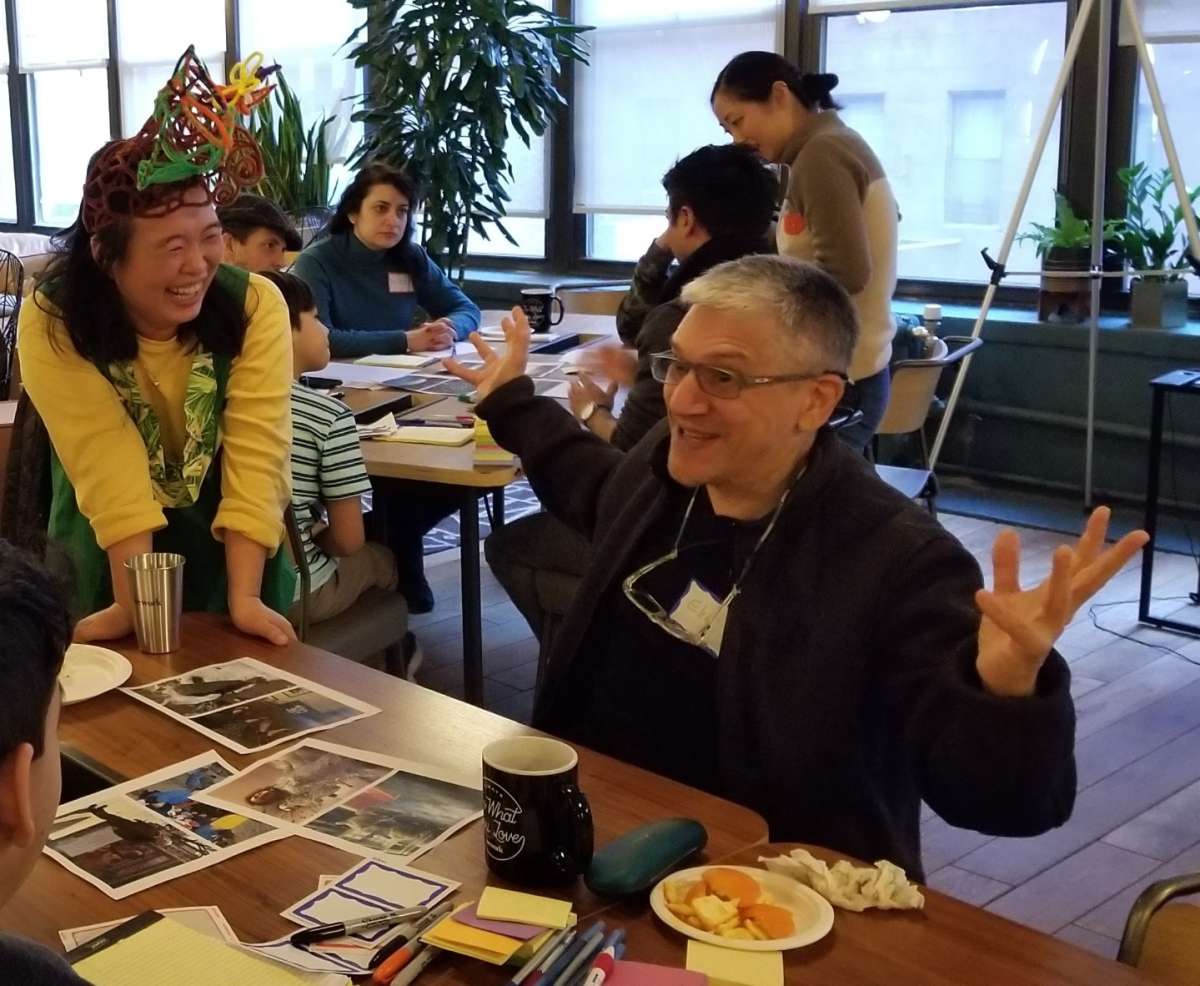
Eliot at an NYCHC Event.