Two People With Hemophilia…Worlds Apart
This article was originally published in our Fall 2025 Bleeding Times Magazine. See the entire magazine by clicking here.
Author: Tai Chou-Kudu and Rishi Raj
Perspective comes from difference. When we are born, we know only one way of living. It is along the way, by seeing and hearing others’ experiences, that we gain other perspectives.
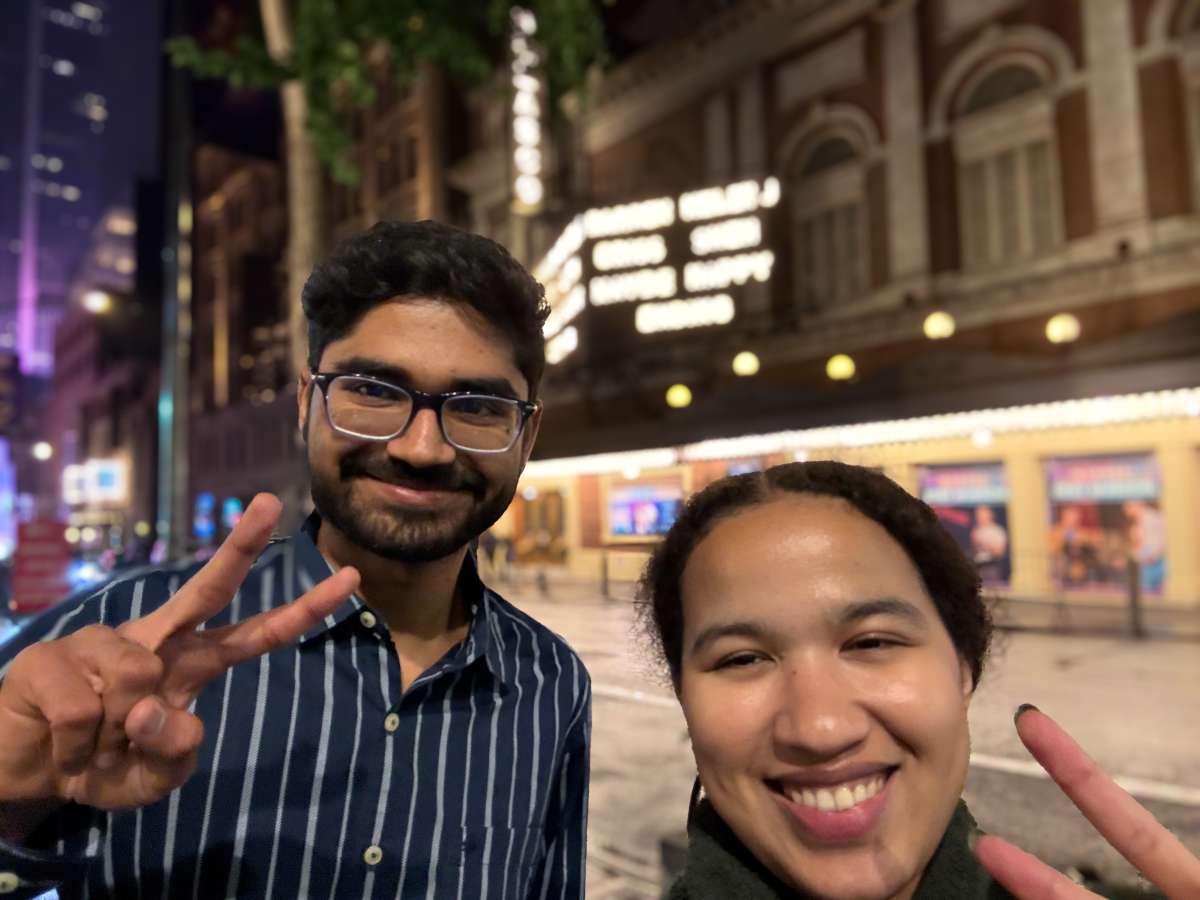
It’s June 2025 in New York City. Two people—both 26 years old with hemophilia, both working in tech, and both twin —meet up. The similarities are funny and coincidental. We met up intentionally to discuss hemophilia but were surprised at other parallels.
One of us grew up in New York City, and the other in India. Because of where we grew up, or, rather, more precisely, because of the global inequality in access to treatment, we grew up very differently.
In the U.S., for someone in their 20s, hemophilia medicine has been available lifelong. There are sometimes challenges with misdiagnosis, insurance, medical bills, changing laws, and more. But – the medicine exists in supply.
In India, access to hemophilia medicines is limited at every level: supply chains are inconsistent, affordability remains out of reach for most families, and smaller towns and villages often have no treatment facilities at all. Even in major cities, treatment is oftentimes rationed—available only on specific days, for limited hours, and usually administered only during active bleeding episodes. This delay makes timely intervention nearly impossible. Desperation sometimes drives patients to resort to questionable means to access medicine, inadvertently harming the broader community. Ultimately, it erodes the lives, ambitions, and dignity of Indians, and many other people around the world who are living with hemophilia, and they live trapped in a cycle of suffering and avoidable disability.
This is a systemic problem. Why does this systemic inequality still exist in this day and age? Treatments have advanced to the point where scientists are now developing new medicines centering around patient convenience. Yet, in India, living with hemophilia is still risky and dangerous, and patients are not able to be treated in the same way that they are in the U.S.
Back to those two people… One of us has minor knee cartilage damage, barely noticeable, while one of us has joint damage, requiring pacing and breaks after walking.
One of us missed school a couple times growing up, while one of us stayed in bed for a year, missing a lot of school due to bleeds and missing out on a chance to connect with others socially during an important developmental phase of life.
I think you can see how this is unfair. The picture is amplified in the face of our similarities as 26-year-old software engineers and twins. We need to keep asking for change. It feels like being an ant in the ant hill of an industry – but change starts with small waves, and in this case – 2 people with hemophilia meeting up on a rainy day in New York City.
Change starts small. I once heard that the humanitarian program of a hemophilia medicine manufacturing company started after one person had a conversation with someone “high up.” When he learned about the inequality, he wanted to make a positive impact. In my medical advocacy class, I learned about how a generic medicine for tuberculosis became widely available after John Green, a popular vlogger, made a video that went viral calling for global manufacturers to do more to help those in need. In these examples, we see how the human functions of communicating, sharing and storytelling created change. We want to see a better world, better lives for people with hemophilia in low-access countries. We hope this article serves as a reminder of what is important, to keep raising awareness, to even share this story with one person, and to remember you have power.