
HARP Community Educational Summit
This article was originally published in our Spring 2026 Bleeding Times Magazine. See the entire magazine by clicking here.
Author: G Shellye Horowitz, MA, PPS and Jill Johnsen, MD on behalf of HARP
The Hemophilia A Research Program (HARP) is a research study of mothers and their babies with hemophilia A. Our main goals for this study are to better understand bleeding in moms and inhibitors in babies. HARP invited a wide range of experts and community members to help with all aspects of the program, from study design through implementation.
Early on, we identified a critical need to improve science communication between our research program and the public. We started an initiative to identify knowledge gaps connected to the topics HARP is researching and to create and share educational materials on these topics for providers and the bleeding disorders community.
Hemophilia A, Pregnancy, and Inhibitors
HARP is looking to learn about how hemophilia A affects mothers and babies. The study begins in pregnancy and follows moms and their babies through the first years of life. The point of the project is to learn more about the factors that cause bleeding in moms and inhibitors in children who have severe hemophilia A.
More than 20,000 people in the U.S. are living with hemophilia A. With effective treatment, they can improve their bleeding symptoms and do most of the activities a person without hemophilia can do. Up to 30% of people with severe hemophilia A develop an immune response to their factor VIII treatment in early childhood. This immune response creates antibodies, called inhibitors, that make factor treatment less effective. When treatment is less effective, bleeding is not well controlled, and quality of life is worse. It is not known why some people develop inhibitors while others do not.
Expectant mothers who inherited the DNA change that causes hemophilia A have a 50% chance of giving birth to a male infant affected by hemophilia A. For reasons not yet well understood, these mothers are at 200-300% higher risk for excessive bleeding in childbirth compared to a pregnant person with no hemophilia gene change.
HARP Research Study
Our goal is to better understand the hemophilia bleeding risk in pregnancy and identify the causes of inhibitor formation in early childhood. Our study will recruit a group of pregnant mothers with the gene change that causes hemophilia A. Moms will be followed through pregnancy and childbirth, and then, mothers and babies with hemophilia will continue to be followed through early life, collecting data and samples along the way. We will study how genetics, environment, the immune system, and other biological factors affect bleeding and inhibitor formation.
HARP Community Educational Summit
The first HARP Community Educational Summit took place at the University of Washington in Seattle in January of 2026. The goal of the summit was to share educational materials on genetics and pregnancy, get input and feedback, and hear new ideas on the three topics and the HARP in general. Attendees included a blend of executive directors, chapter staff members, board members, and highly involved volunteers from around the U.S., including Erin Cirelli, President of the NYCHC Board of Directors.
“Attending this summit was an enlightening experience that underscored how vital it is for our Chapter to identify and support women with bleeding disorders and carriers, ensuring they receive the comprehensive care they need before, during, and after pregnancy.” – Erin Cirelli
The event included a day and a half of education, training, workshops, and networking sessions. Acknowledging the need to understand the community’s knowledge base, the weekend began with discussions of community-desired learning goals in genetics, hemophilia A, and pregnancy. Attendees offered insights from the first discussion and throughout the entire event, which helped inform HARP of potential educational gaps. The discussions offered staff a deeper understanding of community needs and helped identify potential topics for future educational materials.
Instructional sessions on genetics, inheritance, genetic testing, and pregnancy were presented by expert speakers. Attendees had an opportunity to discuss the content in depth, review brochures, and offer input on the developed materials during facilitated breakout times. Additionally, summit participants were afforded a unique opportunity to tour Dr. Jill Johnsen’s bleeding disorders research lab and see where HARP samples are received and how kits are assembled and shipped to locations across the country.
HARP Educational Materials
HARP is revising educational animated videos and brochures based on the input from the summit. The plan is to make these materials broadly available. Everything will be publicly available on the HARP website at harpf8.org, and information will also be shared via HARP’s social media accounts. Materials will include, but are not limited to, brochures, infographics, and videos.
Join The Study
Interested in participating in the HARP? People may be eligible to participate in the study if they are pregnant now and their future child could be at-risk for hemophilia A.
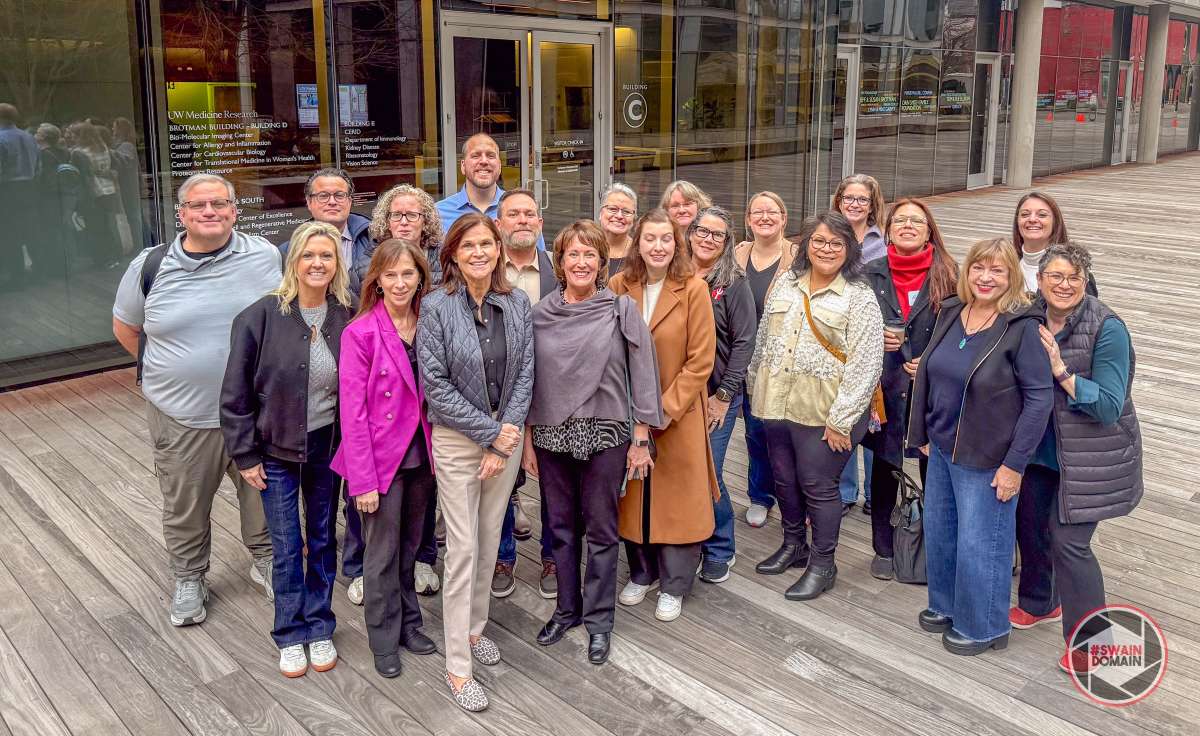
Photos provided by Bethany Swain.